Discover the real story of Christopher Columbus—his Caribbean voyages, Atlantic routes, and why he remains controversial today.
Why Christopher Columbus Still Matters in Travel History
Every year, millions of tourists visit Caribbean islands and Spanish port towns first connected to Columbus’s Atlantic crossings. Museums in Spain, monuments in the Bahamas, and colonial districts in the Dominican Republic keep his name in guidebooks.
But travel conversations have shifted. Modern explorers want more than heroic legends—they want balanced history. That curiosity encourages responsible tourism and makes destinations more rewarding to explore.
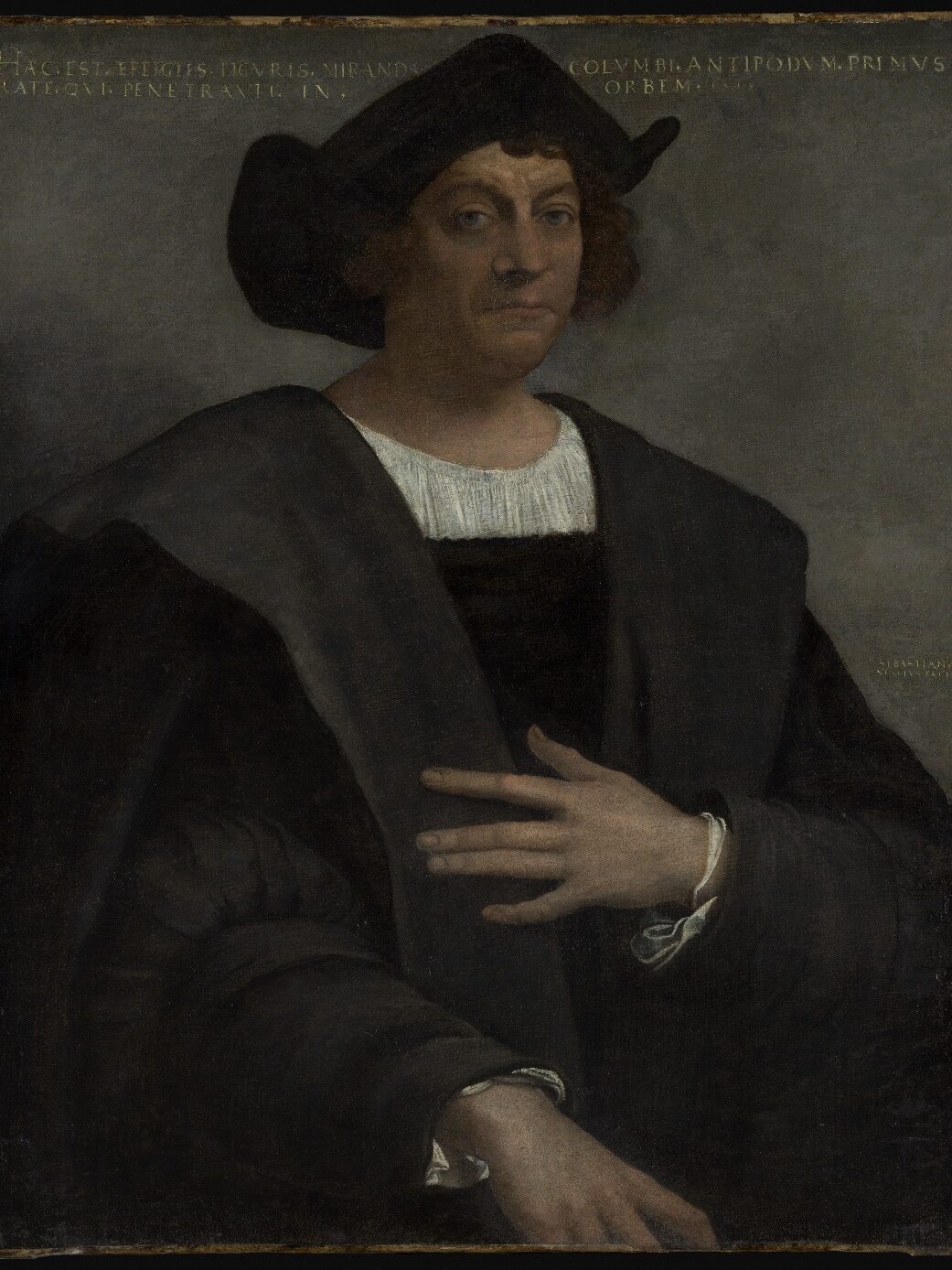
The Age of Discovery: Why Europeans Sailed West
In the late 1400s, European kingdoms searched eagerly for faster trade routes to Asia. Spices, silk, and gold drove goal on the seas
With royal support columbus set sail west in 1942 hoping to reach asia abroad three ships :
- Santa María
- Nina
- Pinta
Weeks later, land appeared—not Asia, but Caribbean islands. That moment transformed world travel forever.
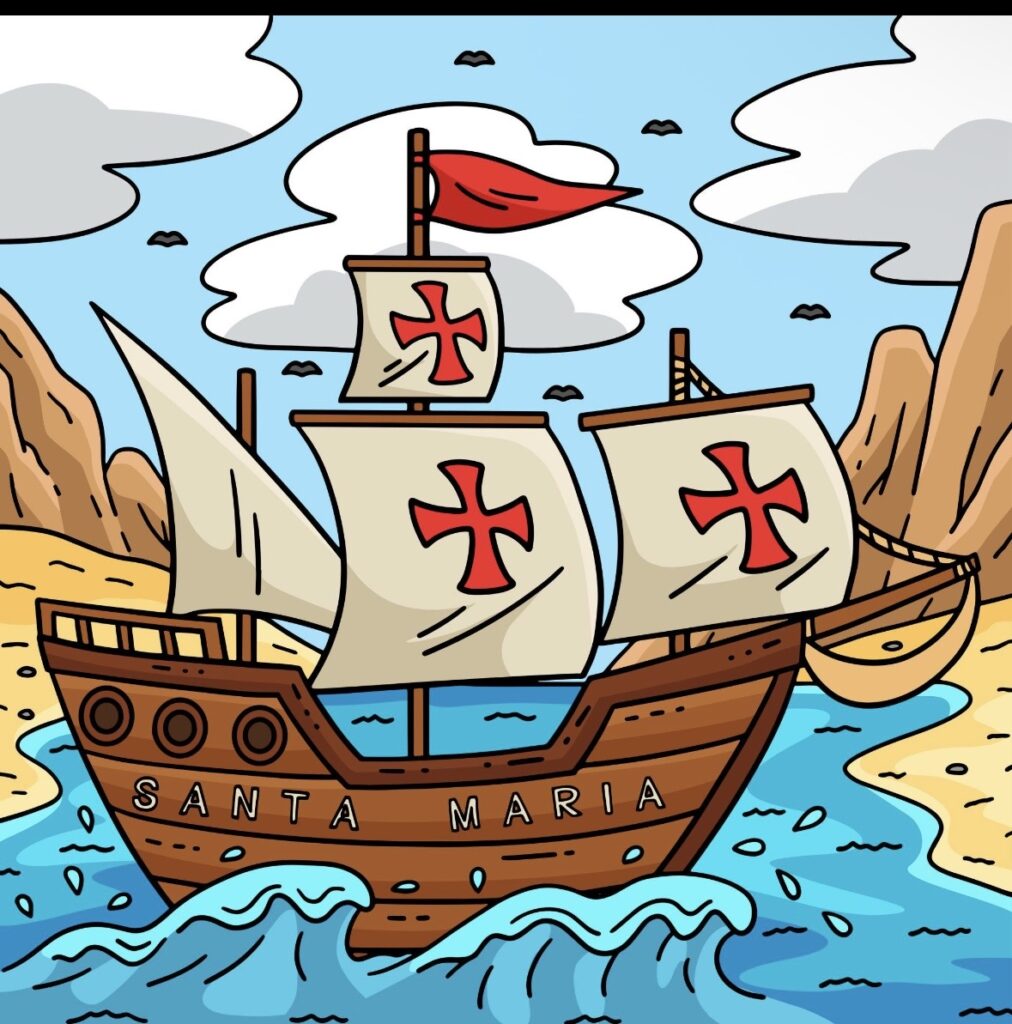
Christopher Columbus Travel Routes Across the Atlantic
Between 1492 and 1504, Columbus made four major voyages, reaching regions now part of:
- Cuba
- Haiti
- Dominican Republic
- Jamaica

These tropical destinations—today known for coral reefs and resorts—were early European contact points. Travelers now explore:
- Colonial fortresses and cathedrals
- UNESCO-listed old towns
- Maritime museums
- Indigenous heritage exhibits
Understanding these layers adds depth to any Caribbean itinerary.
Christopher Columbus is a controversial historical figure because, although he is credited with opening the way for European exploration of the Americas in 1492, his actions led to severe consequences for Indigenous people.
Main Controversies:
1. Violence Against Indigenous People
Columbus and his men enslaved Native populations, forced them to work in gold mines, and punished those who did not meet gold quotas.
2. Harsh Rule as Governor
When he governed Hispaniola, he was accused of cruelty, mismanagement, and brutality — even toward Spanish settlers. He was eventually arrested and sent back to Spain in chains.
3. Start of Colonization and Disease Spread
His arrival began European colonization, which led to massive population decline among Indigenous communities due to violence, forced labour, and diseases like smallpox.
4. Debate Over Celebration
In the U.S., Columbus Day has become controversial. Many states now observe Indigenous Peoples’ Day instead, to honor Native communities.
Why He Is Still Discussed
Some view him as a bold explorer who changed world history. Others see him as a symbol of colonial oppression and Indigenous suffering.
Because of this mixed legacy, Christopher Columbus remains one of the most debated figures in world history.
Why Christopher Columbus Is Considered Controversial
Long celebrated as a heroic pionner columbus is now viewed more critically by modern scholars.
1) Treatment of local Communities Peoples
Historical records describe forced labor systems and violence inflicted on local communities.
2) The start of European Colonial Expansion
His expeditions opened the door to empires that reshaped societies and ecosystems—often with devastating consequences.
3) Myths Around “Discovery”
Thriving Society existed long before 1492, and Norse explorers reached North America centuries earlier.
Because of this, statues have fallen, holidays changed names, and debates continue—making Columbus one of history’s most controversial Investigates.
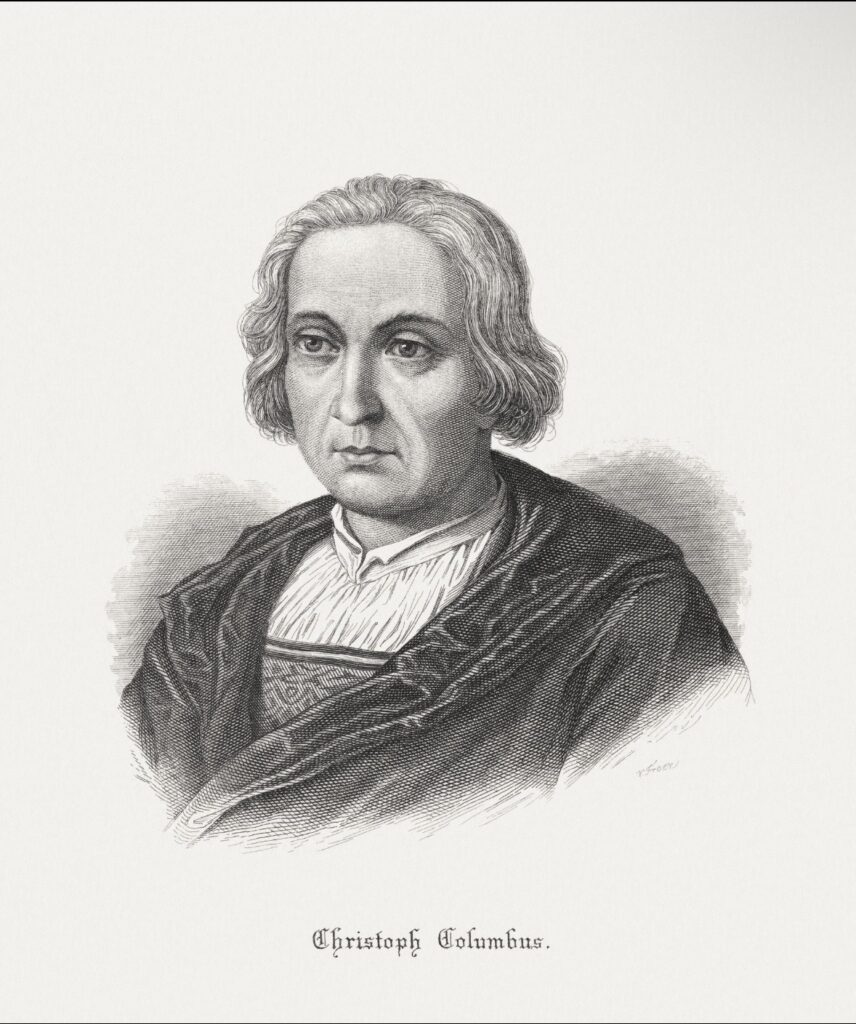
Visiting Columbus-Linked Destinations Today
Tourism boards and guides increasingly present fuller historical accounts.
Caribbean Colonial Cities
In the Dominican Republic, travelers stroll paving stones streets and fortified walls while museums explain Taíno culture and colonial impacts.
Island Tours With Broader Stories
Across the Bahamas, Jamaica, and Cuba, local guides blend African, Indigenous, and European histories—creating richer experiences.
Maritime hubs of spain
Spain’s Atlantic harbors showcase navigation tools, archives, and ship replicas revealing how early global travel developed.
Responsible Travel : Exploring These Destinations Ethically
Fly Journey encourages travelers to:
✔️ Support local and Indigenous-run tours
✔️ Visit cultural museums
✔️ Read multiple perspectives
✔️ Respect family descendant communities
✔️ Avoid elevating suffering
Travel becomes more meaningful when interest meets awareness.
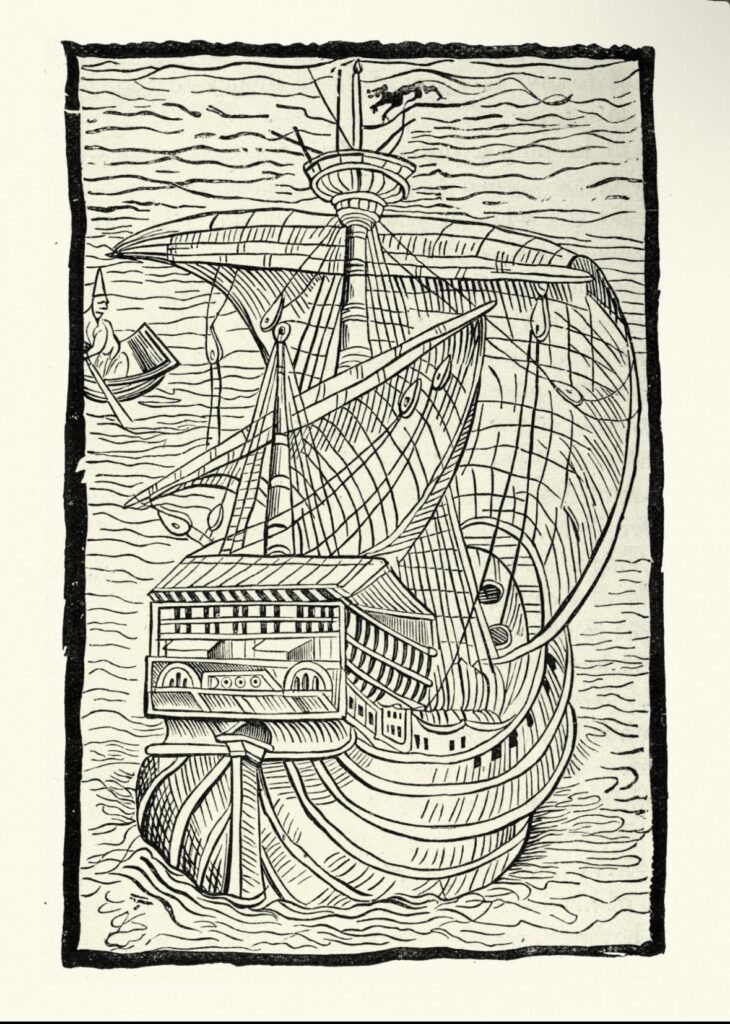
🎥 Videos to Embed in Your Blog
Adding videos increases length of stay and SEO value. Embed these via iframe:
- “The Four Voyages of Christopher Columbus – Animated Map”
- “Indigenous Caribbean Life Before 1492”
- “Colonial Santo Domingo Walking Tour”
- “How Navigation Worked in the Age of Exploration”
Place them after major sections for visual storytelling and better engagement.
FAQ: What Travelers Want to Know
Was Columbus the first European in the Americas?
No—Indigenous societies lived there for thousands of years, and Norse explorers arrived centuries earlier.
Which Caribbean islands did Columbus visit?
Parts of today’s Bahamas, Cuba, Hispaniola (modern Haiti and the Dominican Republic), and Jamaica.
Why is Columbus controversial today?
Because of documented mistreatment of Indigenous peoples and the colonial systems that followed his voyages.
Can tourists visit these places responsibly?
Yes—many destinations now emphasize education and balanced interpretation.
Final Thoughts: A Balanced Look at a Complex Travel Figure
Christopher Columbus stands at the crossroads of adventure and contention . His Atlantic crossings transformed global travel routes, yet also triggered centuries of hardship for Indigenous endemic populations.
For today’s traveler, visiting Caribbean or Spanish sites tied to Columbus isn’t just about sunshine or forts—it’s about understanding how our connected world began, and at what cost.
At Fly Journey, we believe the best journeys start with curiosity, honesty, and respect. 🌍✈️